
책 소개
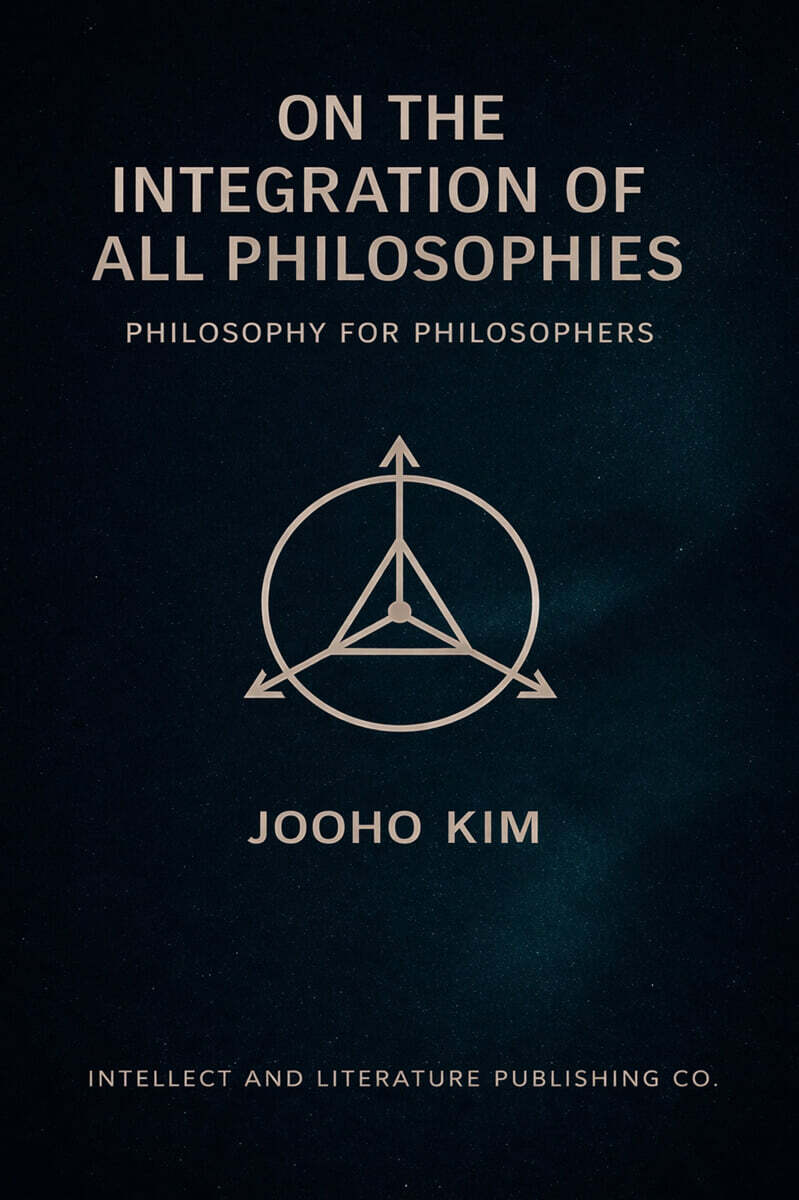
On the Integration of All Philosophies - Philosophy for Philosophers
What if philosophy has never been fragmented?only misread as fragmented?
For more than 2,500 years, philosophy has unfolded as a vast constellation of schools, doctrines, and disputes. Existentialism and Buddhism, Rationalism and Empiricism, Stoicism and Psychoanalysis, Analytic Logic and Postmodern Deconstruction?each appears to speak a different language, often denying the validity of the others.
What if philosophy has never been fragmented?only misread as fragmented?
For more than 2,500 years, philosophy has unfolded as a vast constellation of schools, doctrines, and disputes. Existentialism and Buddhism, Rationalism and Empiricism, Stoicism and Psychoanalysis, Analytic Logic and Postmodern Deconstruction?each appears to speak a different language, often denying the validity of the others.
목차
Introduction. The Architecture of Philosophy
Chapter 1. The First Integrated Philosophical Thought-Space
(Existence-Will-Cognition Space: Space of Thought-Expression)
1-1. Existentialist Philosophy
Kierkegaard, Nietzsche, Heidegger, Sartre, Camus
1-2. Positivist Philosophy
Comte, Mach, Carnap
1-3. Universalist Philosophy
Plato, Kant, Spinoza, Socrates
1-4. Analytic (Logical-Linguistic) Philosophy
Frege, Russell, Wittgenstein
1-5. Enlightenment Philosophy
Montesquieu, Voltaire, Rousseau, Diderot, Kant, Adam Smith
Chapter 2. The Second Integrated Philosophical Thought-Space
([Anti-Existence]-Will-Cognition Space: Space of Lost Substance)
2-1. Rationalist Philosophy
Descartes, Spinoza, Leibniz
2-2. Idealist Philosophy
Plato, Berkeley, Kant, Fichte, Schelling, Hegel
2-3. Confucian Philosophy
Confucius, Mencius, Xunzi, Zhu Xi, Wang Yangming
2-4. Socialist Philosophy
Marx, Engels
2-5. Democratic Philosophy
John Locke, Rousseau, Mill
2-6. Value-Ideal Philosophy
Plato, Kant, Hegel
2-7. Legalist Philosophy (Rule of Law)
Han Feizi, Plato, Hobbes, John Locke, Montesquieu
Chapter 3. The Third Integrated Philosophical Thought-Space
(Existence-[Anti-Will]-Cognition Space: Space of Powerlessness Toward Truth and Value)
3-1. Pessimist Philosophy
Schopenhauer, Nietzsche, Tolstoy
3-2. Eleatic Philosophy
Parmenides, Zeno, Xenophanes
3-3. Determinist Philosophy
Spinoza, Laplace, Schopenhauer, Zeno
Chapter 4. The Fourth Integrated Philosophical Thought-Space
([Anti-Existence]-[Anti-Will]-Cognition Space: Space of Nihilistic Emptiness)
4-1. Daoist Philosophy
Laozi, Zhuangzi
4-2. Buddhist Philosophy
??kyamuni, N?g?rjuna, Vasubandhu, Bodhidharma, Huineng
4-3. Stoic Philosophy
Zeno, Aurelius, Seneca, Epictetus
4-4. Scholastic Philosophy
Anselm, Aquinas, Ockham
Chapter 5. The Fifth Integrated Philosophical Thought-Space
(Existence-Will-[Anti-Cognition] Space: Space of Latent Cognition)
5-1. Empiricist Philosophy
John Locke, Berkeley, Hume
5-2. Utilitarian Philosophy
Bentham, John Stuart Mill
5-3. Hedonist Philosophy
Epicurus, Aristippus
5-4. Pragmatist Philosophy
Peirce, James, John Dewey
5-5. Relativist Philosophy
Sophists (Protagoras, Gorgias), Nietzsche, Wittgenstein
Chapter 6. The Sixth Integrated Philosophical Thought-Space
([Anti-Existence]-Will-[Anti-Cognition] Space: Space of Hidden Individual Order)
6-1. Skeptical Philosophy
Pyrrho, Sextus Empiricus, Montaigne, Zhuangzi, Karl Popper
6-2. Deconstructionist Philosophy
Derrida, Foucault
6-3. Postmodern Philosophy
Lyotard, Foucault, Deleuze
Chapter 7. The Seventh Integrated Philosophical Thought-Space
(Existence-[Anti-Will]-[Anti-Cognition] Space: Space of Substantial Unconsciousness)
7-1. Realist Philosophy
Aristotle, Aquinas, John Locke, Russell
7-2. Phenomenological Philosophy
Husserl, Heidegger, Merleau-Ponty
7-3. Materialist Philosophy
Democritus, Epicurus, Lucretius, Marx, Engels
7-4. Psychoanalytic Philosophy
Freud, Jung, Lacan
Chapter 8. The Eighth Integrated Philosophical Thought-Space
([Anti-Existence]-[Anti-Will]-[Anti-Cognition] Space: Space of Total Collapse)
8-1. Madhyamaka Philosophy
N?g?rjuna, Wonhyo, Uisang
Chapter 9. Conclusion ? The Role and Value of Integrated Philosophy
References
Appendix
Chapter 1. The First Integrated Philosophical Thought-Space
(Existence-Will-Cognition Space: Space of Thought-Expression)
1-1. Existentialist Philosophy
Kierkegaard, Nietzsche, Heidegger, Sartre, Camus
1-2. Positivist Philosophy
Comte, Mach, Carnap
1-3. Universalist Philosophy
Plato, Kant, Spinoza, Socrates
1-4. Analytic (Logical-Linguistic) Philosophy
Frege, Russell, Wittgenstein
1-5. Enlightenment Philosophy
Montesquieu, Voltaire, Rousseau, Diderot, Kant, Adam Smith
Chapter 2. The Second Integrated Philosophical Thought-Space
([Anti-Existence]-Will-Cognition Space: Space of Lost Substance)
2-1. Rationalist Philosophy
Descartes, Spinoza, Leibniz
2-2. Idealist Philosophy
Plato, Berkeley, Kant, Fichte, Schelling, Hegel
2-3. Confucian Philosophy
Confucius, Mencius, Xunzi, Zhu Xi, Wang Yangming
2-4. Socialist Philosophy
Marx, Engels
2-5. Democratic Philosophy
John Locke, Rousseau, Mill
2-6. Value-Ideal Philosophy
Plato, Kant, Hegel
2-7. Legalist Philosophy (Rule of Law)
Han Feizi, Plato, Hobbes, John Locke, Montesquieu
Chapter 3. The Third Integrated Philosophical Thought-Space
(Existence-[Anti-Will]-Cognition Space: Space of Powerlessness Toward Truth and Value)
3-1. Pessimist Philosophy
Schopenhauer, Nietzsche, Tolstoy
3-2. Eleatic Philosophy
Parmenides, Zeno, Xenophanes
3-3. Determinist Philosophy
Spinoza, Laplace, Schopenhauer, Zeno
Chapter 4. The Fourth Integrated Philosophical Thought-Space
([Anti-Existence]-[Anti-Will]-Cognition Space: Space of Nihilistic Emptiness)
4-1. Daoist Philosophy
Laozi, Zhuangzi
4-2. Buddhist Philosophy
??kyamuni, N?g?rjuna, Vasubandhu, Bodhidharma, Huineng
4-3. Stoic Philosophy
Zeno, Aurelius, Seneca, Epictetus
4-4. Scholastic Philosophy
Anselm, Aquinas, Ockham
Chapter 5. The Fifth Integrated Philosophical Thought-Space
(Existence-Will-[Anti-Cognition] Space: Space of Latent Cognition)
5-1. Empiricist Philosophy
John Locke, Berkeley, Hume
5-2. Utilitarian Philosophy
Bentham, John Stuart Mill
5-3. Hedonist Philosophy
Epicurus, Aristippus
5-4. Pragmatist Philosophy
Peirce, James, John Dewey
5-5. Relativist Philosophy
Sophists (Protagoras, Gorgias), Nietzsche, Wittgenstein
Chapter 6. The Sixth Integrated Philosophical Thought-Space
([Anti-Existence]-Will-[Anti-Cognition] Space: Space of Hidden Individual Order)
6-1. Skeptical Philosophy
Pyrrho, Sextus Empiricus, Montaigne, Zhuangzi, Karl Popper
6-2. Deconstructionist Philosophy
Derrida, Foucault
6-3. Postmodern Philosophy
Lyotard, Foucault, Deleuze
Chapter 7. The Seventh Integrated Philosophical Thought-Space
(Existence-[Anti-Will]-[Anti-Cognition] Space: Space of Substantial Unconsciousness)
7-1. Realist Philosophy
Aristotle, Aquinas, John Locke, Russell
7-2. Phenomenological Philosophy
Husserl, Heidegger, Merleau-Ponty
7-3. Materialist Philosophy
Democritus, Epicurus, Lucretius, Marx, Engels
7-4. Psychoanalytic Philosophy
Freud, Jung, Lacan
Chapter 8. The Eighth Integrated Philosophical Thought-Space
([Anti-Existence]-[Anti-Will]-[Anti-Cognition] Space: Space of Total Collapse)
8-1. Madhyamaka Philosophy
N?g?rjuna, Wonhyo, Uisang
Chapter 9. Conclusion ? The Role and Value of Integrated Philosophy
References
Appendix
책 정보
- 출판사자유정신사
- 출간2026년 9월 30일
- ISBN9791194648512
- 쪽수400쪽
- 시리즈김주호 인문철학총서
- 판매 상태판매중
COMMENTS한마디
/ 5
별점 (선택)
0 / 500
아직 한마디도 없습니다. 첫 한마디를 남겨 보세요.
아직 답글이 없습니다.
컬렉션에 담기
아직 만든 컬렉션이 없습니다.
순위·도서 정보 출처 — 예스24 · 이 화면의 구매 링크는 예스24로 연결되며, 제휴 활동으로 일정액의 수수료를 받을 수 있습니다